
Why the Future of Media Is Also the Future of Trust
The future of media is not only about platforms, content, algorithms, creators, or artificial intelligence.
It is about trust.
Media has always shaped how people understand the world, but the environment around media is changing quickly. People now receive information through news sites, social platforms, podcasts, newsletters, short videos, creators, influencers, private communities, search engines, AI summaries, and algorithmic feeds.
That creates more access than ever before, but it also creates more confusion.
When information becomes abundant, trust becomes the scarce asset. People do not only need more content. They need better signals. They need to know who to believe, what to verify, where information comes from, and whether the source has earned credibility.
That is why the future of media is also the future of trust.
Media Is No Longer One System
For much of modern history, media was shaped by a smaller number of institutions. Newspapers, broadcasters, magazines, radio networks, publishers, and later cable channels played a central role in shaping public information.
That world has changed.
Today, media is fragmented across many systems. A person may get one story from a news organization, another from a creator on YouTube, another from a TikTok clip, another from an X thread, another from a podcast, another from a newsletter, and another from an AI-generated summary.
This does not make the media environment automatically worse. It does make it more complex.
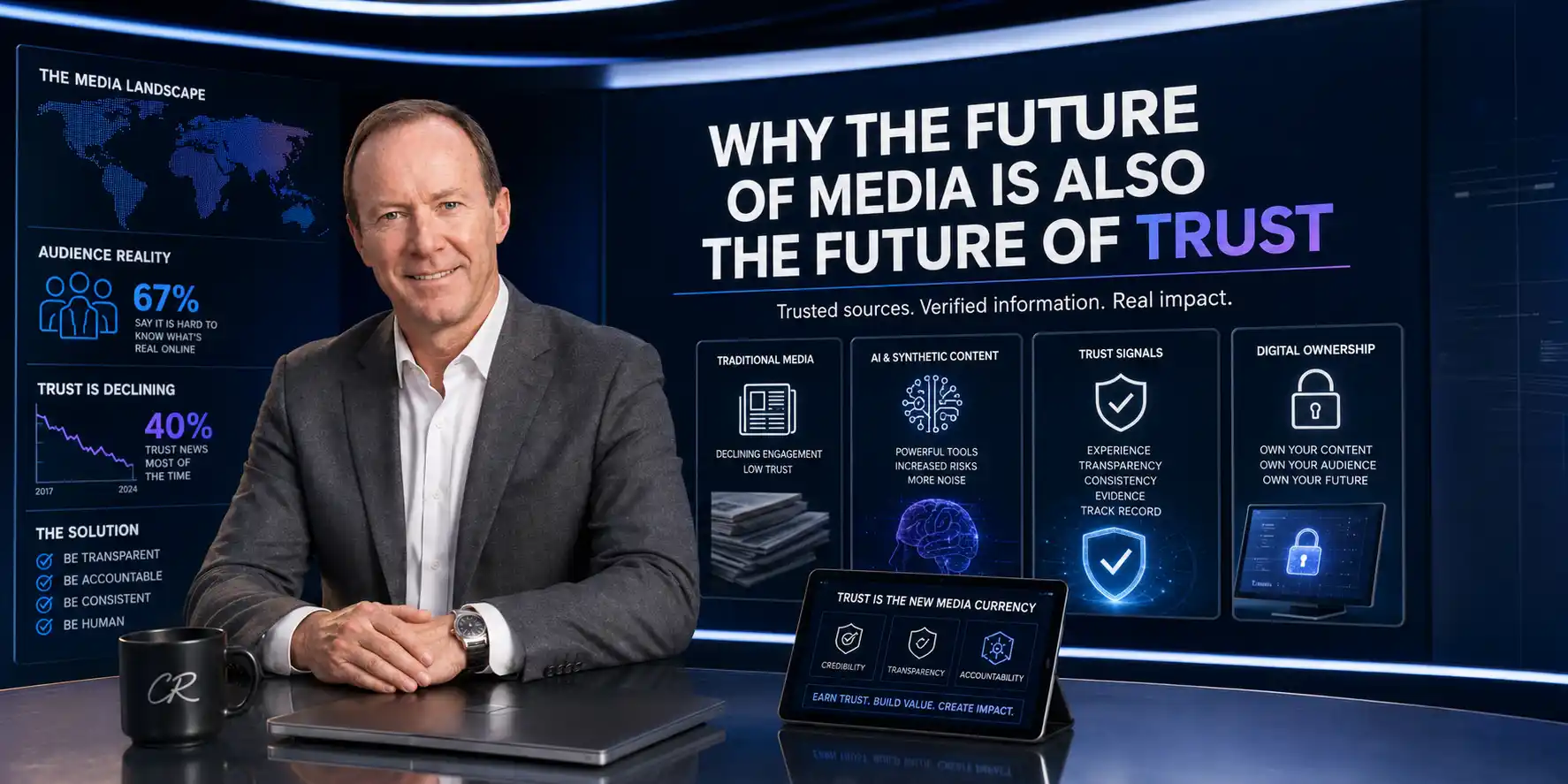
The Reuters Institute’s Digital News Report 2025 says traditional news media are struggling with declining engagement, low trust, and stagnant digital subscriptions. It also points to the rise of news influencers, generative AI, mobile alerts, personalisation, platform shifts, and changing news habits.
This shows why the media conversation has changed. The question is no longer only “Who publishes the news?” The question is “Who does the audience trust?”
Trust Is Becoming the Core Media Asset
In the old media world, distribution was one of the most powerful assets. If you controlled the channel, you controlled access to attention.
In the new media world, distribution still matters, but trust may matter more.
People are surrounded by claims, opinions, headlines, clips, images, arguments, reactions, and summaries. They see polished content from institutions, creators, brands, activists, governments, entertainers, influencers, AI systems, and anonymous accounts.
When everyone can publish, people need stronger trust signals.
Those signals can include experience, transparency, consistency, evidence, track record, source quality, accountability, human credibility, clear correction practices, and a body of work that proves how someone thinks.
This is one reason personal authority and owned media matter more. A trusted voice with a clear body of work can stand out in a world of endless content.
AI Will Increase the Need for Media Trust
Artificial intelligence is going to reshape media dramatically.
AI can help produce articles, scripts, images, video clips, summaries, translations, research notes, social posts, headlines, thumbnails, podcasts, and personalized content. It can support journalists, creators, brands, educators, and businesses.
But AI also creates risk.
It can make misinformation easier to create. It can generate synthetic images, fake voices, fake videos, fabricated quotes, misleading summaries, and content that looks authoritative but may be wrong. It can also flood platforms with low-quality output that makes it harder for people to identify what is credible.
This is why AI does not reduce the importance of trust. It increases it.
The future of media will not only depend on who can publish faster. It will depend on who can be trusted more.
Misinformation and Disinformation Are Now Systemic Risks
Misinformation and disinformation are not just media problems. They are societal and economic risks.
The World Economic Forum’s Global Risks Report 2025 identified misinformation and disinformation as top short-term risks for the second consecutive year, highlighting how they can erode trust, deepen divisions, and threaten societal cohesion and governance.
This matters because media trust is connected to more than reputation. It affects public understanding, business confidence, civic life, markets, health, elections, institutions, and personal decision-making.
When people cannot tell what is true, they may either believe the wrong thing or stop believing anything at all. Both outcomes are dangerous.
The future of media must therefore include better verification, better literacy, better transparency, and stronger trust-building systems.
Creators Are Becoming Media Institutions
One of the biggest media shifts is the rise of creators as trusted information sources.
Creators are no longer only entertainers. Many are educators, analysts, commentators, interviewers, reviewers, researchers, storytellers, journalists, community leaders, and niche media operators.
This creates opportunity because creators can build deep trust with specific audiences. They can explain complex topics in more relatable ways. They can move faster than traditional institutions. They can build communities around shared interests and values.
But it also creates responsibility.
If creators are becoming media institutions, they need stronger standards. They need to understand source quality, disclosure, corrections, bias, conflicts of interest, copyright, AI usage, and audience trust.
Audience trust can take years to build and minutes to damage.
The Creator Economy Is Really a Trust Economy
The creator economy is often described through followers, views, sponsorships, monetization, subscriptions, and platform growth. Those things matter, but they are not the deepest layer.
The deeper layer is trust.
People follow creators because they feel a connection. They return because they trust the voice, perspective, taste, humor, knowledge, or consistency. They buy products or services because trust has already been built through content.
That means the creator economy is not only about attention. It is about earned confidence.
This is why creator economy ownership matters. If creators only rent attention from platforms, their business is fragile. If they build owned media, email lists, content libraries, communities, products, and intellectual property, they turn trust into a more durable asset.
Trust is what allows media to become business, and ownership is what allows that business to become resilient.
Personal Brands Will Need Stronger Proof
As media becomes more crowded, personal brands will need stronger proof.
It will not be enough to claim expertise. People will need to show how they think. They will need articles, videos, talks, frameworks, case studies, product examples, research, interviews, and owned content that demonstrates credibility.
This is especially true in areas like artificial intelligence, digital ownership, future finance, wealth creation, and future work, where hype and confusion can spread quickly.
A personal brand becomes more trusted when it has a clear body of work behind it.
That is why I continue to build the Curtis Randall B-Log as a personal authority hub. It gives my ideas a home and helps connect broader themes across AI, work, ownership, media, finance, and wealth creation.
Owned Media Helps Protect Trust
Owned media is becoming more important because it gives people and businesses a place to build trust outside platform noise.
Owned media can include websites, newsletters, podcasts, blogs, resource hubs, learning platforms, private communities, digital products, and content libraries.
Social platforms are useful for discovery. Owned media is useful for depth.
A social post may introduce an idea. An article can explain it. A newsletter can build a relationship. A video can humanize the message. A podcast can deepen trust. A product can turn trust into value.
This is one reason Sights.com matters in my broader work. It gives the future digital economy conversation a stronger education platform rather than leaving the subject scattered across social posts.
Trust needs structure. Owned media provides that structure.
Media Literacy Is Becoming Future Literacy
People need better media literacy because the information environment is becoming harder to navigate.
Media literacy is the ability to evaluate sources, recognize bias, verify claims, understand incentives, identify manipulation, and separate credible information from noise.
In the age of AI, media literacy becomes even more important because synthetic content can look real, false claims can spread quickly, and polished misinformation can appear professional.
Future literacy and media literacy are now connected. People need to understand not only what is changing, but how information about that change is being created, filtered, distributed, and monetized.
The future of media requires more thoughtful audiences as well as more responsible creators and institutions.
Brands Cannot Buy Trust Forever
Brands also need to understand the future of media as the future of trust.
For years, many brands relied heavily on paid media, advertising, campaigns, and borrowed attention. Those tools still matter, but they cannot replace trust.
The 2025 Edelman Trust Barometer highlights the need for business, government, media, and NGOs to work together to address the root causes of grievance and enable trust, growth, and prosperity.
That is a reminder that trust is not built only through messaging. It is built through behavior, consistency, transparency, usefulness, accountability, and experience.
In the future media environment, brands will need to become better educators, better publishers, better listeners, and better trust-builders.
AI Search Will Change How Trust Is Discovered
AI search and AI summaries may also change how people discover trusted information.
Instead of clicking through many search results, people may increasingly receive summarized answers from AI systems. That could change traffic patterns, content discovery, attribution, and how authority is recognized.
This makes structured, credible, owned content more important.
If your expertise is not documented clearly, it may be harder for AI systems, search engines, journalists, customers, and audiences to understand your authority. If your content is thin, generic, or scattered, it may not create strong trust signals.
The future of media will increasingly reward people and organizations that build clear, credible, well-structured bodies of work.
The New Trust Stack for Media
A healthier future media environment needs a trust stack.
That trust stack includes:
- Source quality: Where information comes from and whether it can be verified.
- Transparency: Clear disclosure around sponsorships, AI use, conflicts, and methods.
- Accountability: Willingness to correct errors and update information.
- Human judgment: Editorial thinking, context, ethics, and responsibility.
- Owned media: A stable home for ideas, proof, and deeper explanation.
- Audience relationship: Direct trust built through consistency and value.
- Digital literacy: The audience’s ability to evaluate information wisely.
- Proof of work: A body of content that demonstrates credibility over time.
This is how media trust becomes more resilient.
What Individuals Should Do Now
Individuals should not wait for the media environment to become simpler. It probably will not.
Instead, people should build better media habits:
- Check sources before sharing.
- Be cautious with emotional headlines.
- Look for original reporting or primary sources.
- Understand platform incentives.
- Be aware of AI-generated content.
- Follow people who correct themselves when wrong.
- Build your own trusted knowledge base.
- Use media to learn, not only react.
These habits will become increasingly important as AI-generated content and algorithmic media continue to expand.
What Creators and Businesses Should Do Now
Creators and businesses should build trust deliberately.
That means publishing with more care, documenting expertise, organizing owned content, being transparent about AI use where appropriate, protecting audience relationships, and creating useful media rather than only promotional content.
It also means thinking beyond attention metrics.
Views, clicks, likes, and impressions can matter, but they do not automatically equal trust. A smaller trusted audience can be more valuable than a larger distracted one.
The future belongs to media builders who understand that credibility is a long-term asset.
Final Thought
The future of media is also the future of trust because information is becoming easier to create, easier to distribute, and harder to evaluate.
AI will accelerate content production. Platforms will continue fragmenting attention. Creators will become media institutions. Brands will need to become better publishers. Audiences will need stronger media literacy. Owned media will become more important.
In a world where anyone can publish and AI can generate almost anything, trust becomes the media asset that matters most.
That is why the future of media will belong to the people, creators, brands, and institutions that earn trust before they ask for attention.
Explore More
Read more on the Curtis Randall B-Log, explore future-focused education on Sights.com, or connect through the Contact page.
About the Author
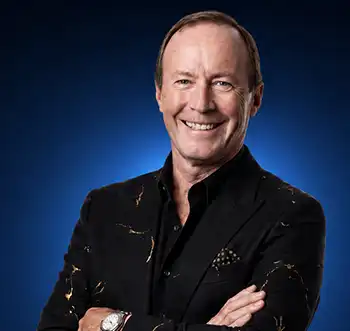
Curtis Randall is an award-winning creative executive and future systems thinker helping people and businesses understand and adapt to the future of work, creativity, technology, digital ownership, and wealth creation. Through CurtisRandall.com and Sights.com, Curtis explores the systems shaping how people work, create, own, and build value in a rapidly changing world.
Connect with Curtis: LinkedIn · YouTube · Instagram · X · TikTok · Facebook · Threads